


Logo Edited - for animation_1
Loading ...

Vegetable Wash

Main Image-3

WHY WATER SAFETY MATTERS

Why Vegetables Are Highly Exposed to Germs and Contamination

Vegetable wash disinfection is essential toΒ maintainΒ food safety from farm to kitchen. Unlike packaged food items, vegetables are grown in open agricultural environments and pass through multiple handling stages before consumption. During this journey, they are exposed to soil contaminants,Β irrigationΒ water, fertilizers, transportation surfaces, and human contact. Without proper vegetable wash disinfection, harmful microorganisms and residues may remain on the surface even after rinsing with plain water.

Fresh vegetables may appear clean, but microscopic bacteria, pesticide residues, and environmental pollutants can still be present. Leafy vegetables, root crops, and uneven-surfaced produce are especially vulnerable because contaminants easily attach to their outer layers.

Exposure to Soil, Irrigation Water, and Agricultural Inputs
Vegetables are cultivated in soil that may contain bacteria and pathogens. Irrigation water may be contaminated with microbes such as E. coli or Salmonella. Organic fertilizers and manure compost can introduce microbial risks if not treated properly. These contaminants adhere to surfaces and may survive washing with tap water.
Handling, Transportation, and Open Market Exposure
After harvesting, vegetables are handled by multiple individuals during sorting, packaging, transportation, and retail display. Open market environments expose them to dust, flies, polluted air, and cross-contamination from other produce. Improper storage conditions further increase microbial growth.

PRODUCT USES & APPLICATIONS

Professional Cloriwat Solutions for Vegetable Wash Disinfection

CloriwatΒ provides a scientifically formulatedΒ Water Disinfectant (Sodium Hypochlorite Solution)Β that can be used in controlled dilution for vegetable wash disinfection in households, food processing units, catering services, and commercial kitchens.Β When used in the recommended concentration, sodium hypochlorite helps reduce microbial load on vegetable surfaces without compromising food safety standards.Β 

CloriwatΒ Water Disinfectant offers:Β 

Effective reduction of bacteria and surface pathogens
Support in removing harmful microbial contaminants
Reliable sanitation solution for bulk vegetable washing
Suitable application for safe food handling environments
(As per recommended guidelines)

WHY WATER SAFETY MATTERS

How Does Vegetable Wash Disinfection Work?

UsingΒ CloriwatΒ Water Disinfectant for vegetable wash disinfection is a structured process that ensures safe and hygienic cleaning.

01
STEPS
Prepare Diluted Solution
Dilute the required amount of Cloriwat Sodium Hypochlorite Solution in clean water as per recommended guidelines. Proper dilution is important to ensure safe application for vegetable washing.
02
STEPS
Soak Vegetables
Immerse the vegetables completely in the prepared disinfectant solution. Ensure that all surfaces are fully and evenly exposed to the solution for effective microbial reduction.
03
STEPS
Maintain Contact Time
Allow vegetables to remain in the disinfectant solution for the prescribed duration. Adequate and sufficient contact time ensures effective reduction of bacteria and surface contaminants.
04
STEPS
Rinse with Clean Water
After soaking, rinse vegetables with water to remove residual solution before use. Following this vegetable wash disinfection process helps reduce contamination and enhance food safety.

PRODUCT USES & APPLICATIONS

Discover Other Use Cases

Cloriwat hygiene and sanitation solutions are designed for multiple environments where water safety and infection control are critical. Explore howΒ CloriwatΒ products can helpΒ maintainΒ high sanitation standards across different applications.Β 

Discover more solutions for:Β 

PRODUCT USES & APPLICATIONS

How to Order Cloriwat Water Disinfectant

OrderingΒ CloriwatΒ hygiene products is simple and convenient.Β 

Step 1: Visit the Official Website
Browse Cloriwat’s product section and select the Water Disinfectant (Sodium Hypochlorite Solution).
Step 2: Choose Required Quantity
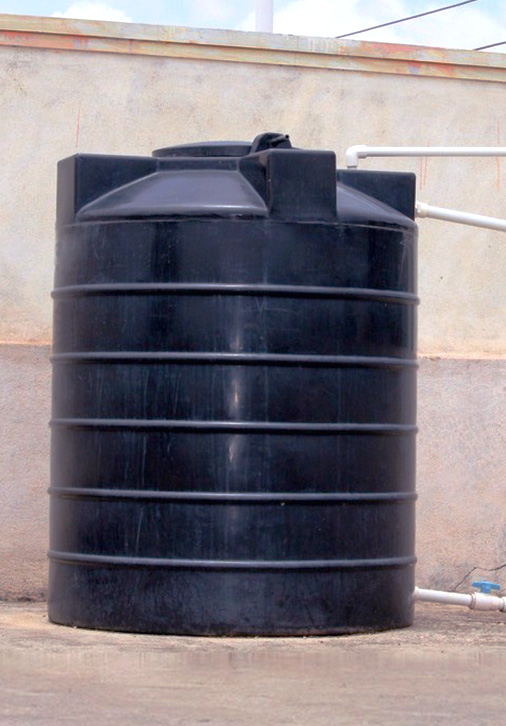
Select the appropriate packaging size based on your water tank capacity and usage needs.
Step 3: Place Your Order Online
Complete the order process through the website and receive delivery. For bulk orders, contact the Cloriwat team.

PRODUCT USES & APPLICATIONS

Why Cloriwat Disinfectant Is Better?

Choosing the right disinfectant solution is crucial for long-term water safety.Β CloriwatΒ stands out for several reasons:Β 

Scientifically Formulated

Cloriwat Water Disinfectant is developed using sodium hypochlorite for microbial control.

01

Broad Germ Protection

It eliminates bacteria, viruses, algae, and fungi found in contaminated water tanks.

02

Consistent Quality and Stability

Cloriwat ensures a stable formulation that maintains disinfectant strength when stored.

03

Safe When Used as Directed

With proper dosage, the solution is safe for water tank disinfection in residential properties.

04

WHAT SETS US APART

Why Choose Cloriwat?

CloriwatΒ is a trusted hygiene and sanitation solutions provider focused on delivering effective and practical disinfectant products.Β 

Dedicated expertise in water treatment and sanitation.
Reliable product formulations backed by industry.
Commitment to safety, quality, and performance.
Reliable product formulations backed by industry standards.

WithΒ Cloriwat,Β maintainingΒ clean and disinfected water tanks becomes a structured and manageable process.Β 

bannerbox-h3-1

PRODUCT USES & APPLICATIONS

FAQs – Water Tank Disinfection

How often should water tank disinfection be done?
Water tank disinfection is recommended at least once every 3–6 months, depending on usage, environmental exposure, and local water quality.
Is sodium hypochlorite safe for water tanks?
Yes, sodium hypochlorite solution is widely used for water disinfection when applied in recommended dosage and with proper contact time.
Can water tank contamination cause health issues?
Yes. Contaminated water tanks can harbor bacteria and pathogens that may lead to waterborne diseases and infections.
Does Cloriwat Water Disinfectant remove algae?
Yes, the sodium hypochlorite solution effectively controls algae growth and prevents biofilm formation inside tanks.
Can it be used for both overhead and underground tanks?
Yes, Cloriwat Water Disinfectant is suitable for overhead, underground, and storage water tanks across residential and commercial setups.
Is professional cleaning required before disinfection?
If heavy sludge or debris is present, physical cleaning is recommended before applying disinfectant for optimal results.
Can it be used in industrial water storage systems?
Yes, it is suitable for residential, commercial, and industrial water tank disinfection when used as directed.
Cart (0 items)